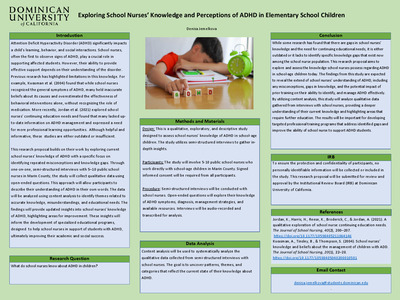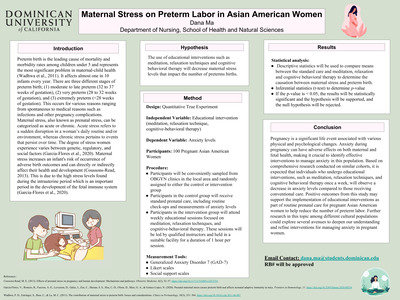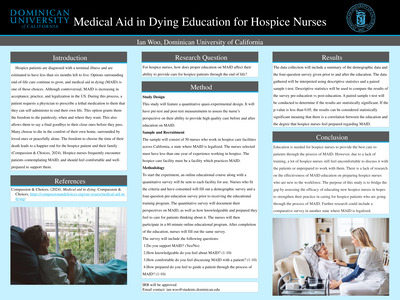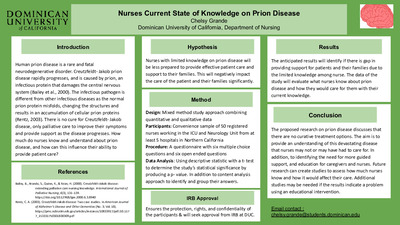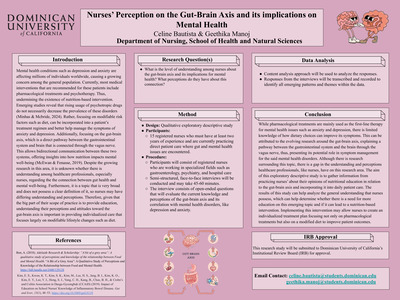
-
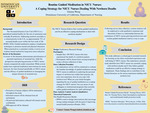
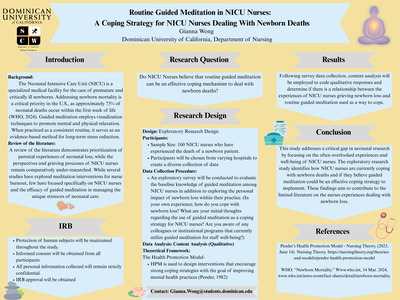
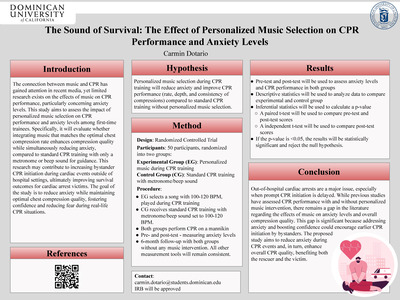
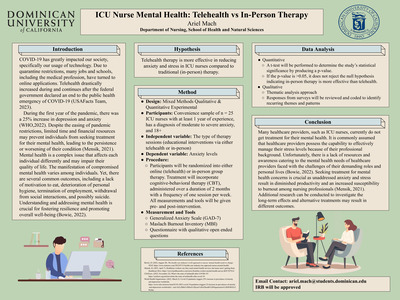
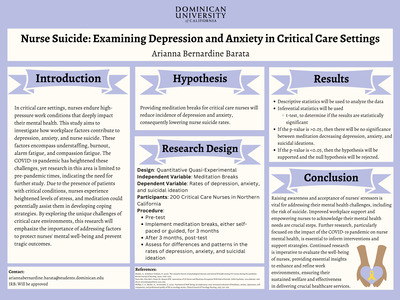
Routine Guided Meditation in NICU Nurses: A Coping Strategy for NICU Nurses Dealing With Newborn Deaths
Gianna Wong
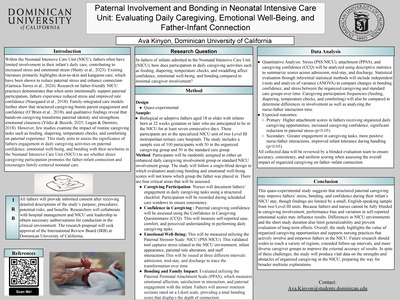
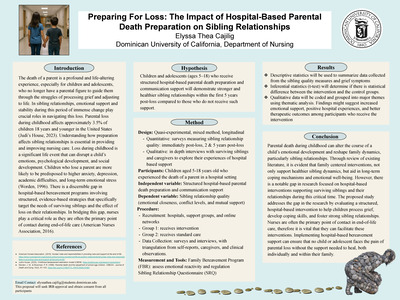
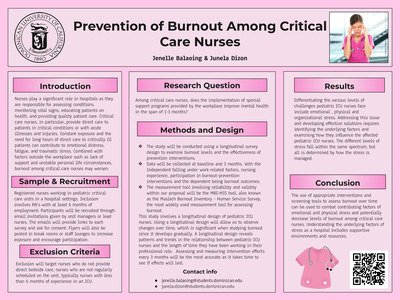
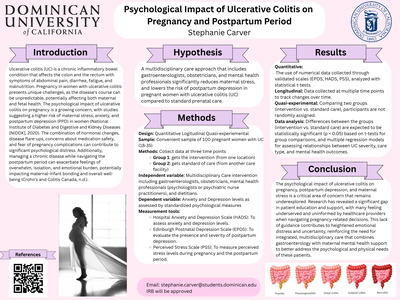
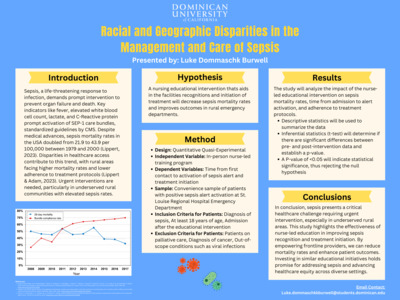
Purpose: This research study aims to investigate the emotional impact of newborn deaths on Neonatal Intensive Care Unit (NICU) nurses in addition to evaluating their perceptions of routine guided meditation as an effective coping mechanism to manage professional grief and enhance psychological well-being. Methods: Utilizing an exploratory descriptive research design grounded in Pender’s Health Promotion Model (HPM), this study examines the lived experiences and health-promoting behaviors of neonatal nurses following newborn deaths. Data: Anticipatory collection of data will be from a sample of NICU nurses based in California through a twelve-question survey featuring open-ended questions. Qualitative content analysis will be employed to identify recurring themes and patterns in the nurses' experiences along with their perceptions on the effectiveness of routine guided meditation to manage emotional exhaustion in NICU nurses. Conclusion: The lack of research and institutional support for NICU nurses following newborn deaths emphasizes the significance in this research study. Exploring NICU nurses' experiences and perceptions regarding the use of routine guided meditation is a critical first step in bringing awareness to this issue and identifying effective coping strategies to support their psychological resilience and emotional capacity.
-
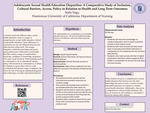
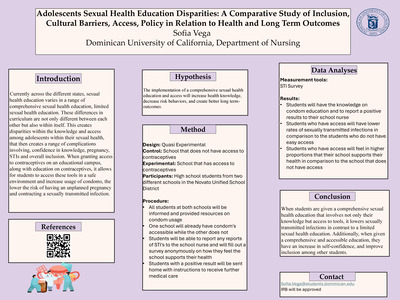
Adolescents Sexual Health Education Disparities: A Comparative Study of Inclusion, Cultural Barriers, Access, Policy in Relation to Health and Long Term Outcomes
Sofia Vega
Currently, across the different states, sexual health education varies in a range of comprehensive sexual health education to limited sexual health education. These differences in curriculum are not only different from each other but also within themselves. This creates disparities in the knowledge and access among adolescents within their sexual health, which then creates a range of complications involving confidence in knowledge, pregnancy, STIs, and overall inclusion. When granting access to contraceptives on an educational campus, along with education on contraceptives, it allows students to access these tools in a safe environment and increases usage of condoms, lowering the risk of having an unplanned pregnancy and contracting a sexually transmitted infection.
-
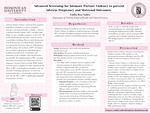
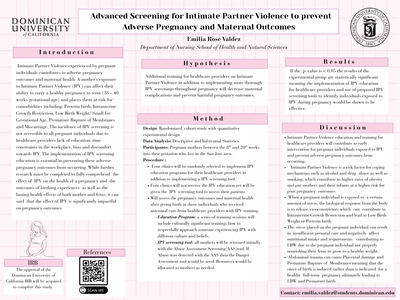
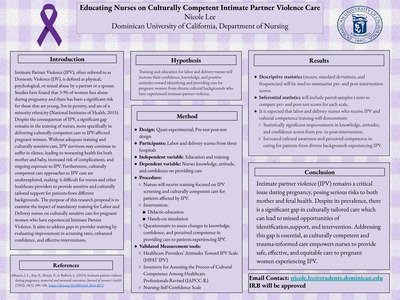
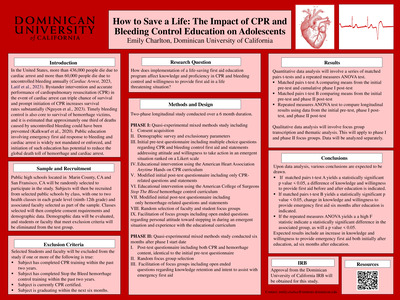
Advanced Screening for Intimate Partner Violence to prevent Adverse Pregnancy and Maternal Outcomes
Emilia R. Valdez
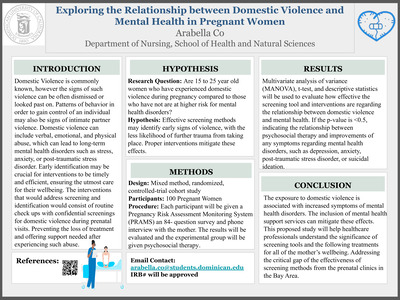
Background: Intimate Partner Violence experienced by pregnant individuals contributes to adverse pregnancy outcomes and maternal health. A mother’s exposure to Intimate Partner Violence (IPV) can affect their ability to carry a healthy pregnancy to term (38 – 40 weeks gestational age) and places them at risk for comorbidities including; Preterm birth, Intrauterine Growth Restriction, Low Birth Weight/ Small for Gestational Age, Premature Rupture of Membranes and Miscarriage. The incidence of IPV screening is not accessible to all pregnant individuals due to healthcare providers lack of education, time constraints in the workplace, bias and discomfort towards IPV. The implementation of IPV screening education is essential in preventing these adverse pregnancy outcomes from occurring. Method: A randomized, cohort study with a quantitative- experimental design will be used to examine the effectiveness of proposed IPV education programs for healthcare providers. Eight selected OBGYN offices will be used in this study. Four will be randomly selected to implement IPV education on the proposed screening tool while four will not receive IPV education but will receive the screening tool. Data: The data for this study has yet to be collected, yet the expected results will display the implementation of IPV education and universal screening will allow for early detection of IPV. Descriptive statistics will be used to compare the effectiveness of IPV education in the experimental group versus the control group. Inferential statistics will be used to determine a p- value. If the p-value is < 0.05 the results of the experimental group are statistically significant meaning the implementation of IPV education for healthcare providers and use of proposed IPV screening tools to identify individuals exposed to IPV during pregnancy would be proven. Conclusion: Intimate Partner Violence education and training for healthcare providers will contribute to early intervention for pregnant individuals exposed to IPV and prevent adverse pregnancy outcomes from occurring.
-
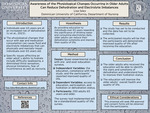
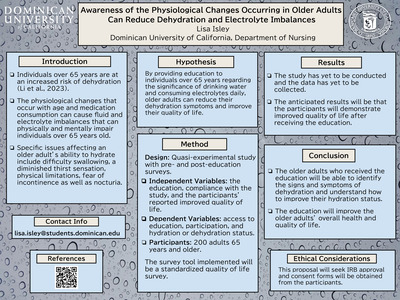
Awareness of the Physiological Changes Occurring in Older Adults Can Reduce Dehydration and Electrolyte Imbalances
Lisa Isley
Background: Individuals over 65 years are at an increased risk of dehydration. The physiological changes that occur with age and medication consumption can cause fluid and electrolyte imbalances that can physically and mentally impair individuals over 65 years old. Objective: By providing education to individuals 65 years and older regarding the significance of drinking water and consuming electrolytes daily, older adults can reduce their dehydration symptoms and improve their quality of life. Method: The proposed research is a quasi-experimental study geared towards individuals 65 years and older. The quasi-experimental study will include two pre-surveys and then two post-surveys. The survey tool implemented will be a standardized quality of life survey. The survey tool will measure the reported changes in the participants’ quality of life before and after the participants receive education. Results: The study has yet to be conducted and the data has yet to be collected. The anticipated results will be that the participants will demonstrate improved quality of life after receiving the education. Conclusion: The older adults who received the education will be able to identify the signs and symptoms of dehydration and understand how to improve their hydration status. The educational modules will help increase the participants' awareness and reduce the symptoms of dehydration. The education will improve the older adults’ overall health and quality of life.
-
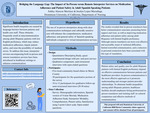
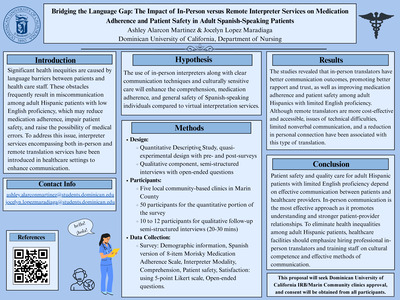
Bridging the Language Gap: The Impact of In-Person versus Remote Interpreter Services on Medication Adherence and Patient Safety in Adult Spanish-Speaking Patients
Ashley E. Alarcon Martinez and Jocelyn N. Lopez Maradiaga
Background: Significant health inequities are caused by language barriers between patients and health care staff, resulting in miscommunication among adult Hispanic patients with low English proficiency, reducing medication adherence, impairing patient safety, and raising the possibility of medical errors. To address this issue, interpreter services, both in-person and remote translation, have been introduced in healthcare settings to enhance communication. Objective: The purpose of this study is to investigate the differences in patient safety and medication adherence between in-person and remote translation services for adult Hispanic individuals with limited English proficiency in healthcare settings. Methods: The proposed research involves five local community-based clinics in Marin County that primarily serve Spanish-speaking adults. The clinic's patients will be asked to participate and complete a short survey in Spanish about their experiences and preferences regarding translation services. Results: The studies revealed that in-person translators have better communication outcomes, promoting better rapport and trust, as well as improving medication adherence and patient safety among adult Hispanics with limited English proficiency. Although remote translators are more cost-effective and accessible, issues of technical difficulties, limited nonverbal communication, and a reduction in personal connection have been associated with this type of translation. Conclusion: Patient safety and care for adult Hispanic patients with limited English proficiency depend on effective communication. In-person communication is the most effective as it promotes understanding and stronger patient-provider relationships. To eliminate health inequalities, healthcare facilities should prioritize hiring professional in-person translators and training staff on cultural competence and effective communication methods.
-
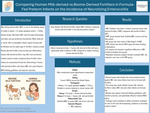
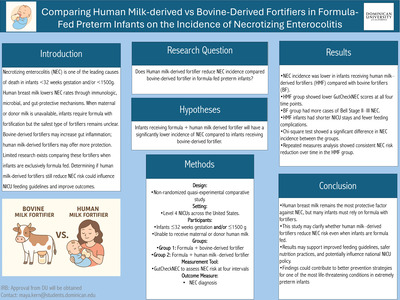
Comparing Human Milk-derived vs Bovine-derived Fortifiers in Formula-fed Preterm Infants on the Incidence of Necrotizing Enterocolitis
Maya C. Kern
Necrotizing enterocolitis (NEC) is one of the leading causes of death in infants < 32 weeks gestation and/or < 1500g. Human breast milk lowers NEC rates through immunologic, microbial, and gut-protective mechanisms. When maternal or donor milk is unavailable, infants require formula with fortification but the safest type of fortifiers remains unclear. Bovine-derived fortifiers may increase gut inflammation; human milk-derived fortifiers may offer more protection. Limited research exists comparing these fortifiers when infants are exclusively formula fed. Determining if human milk-derived fortifiers still reduce NEC risk could influence NICU feeding guidelines and improve outcomes.
-
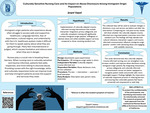
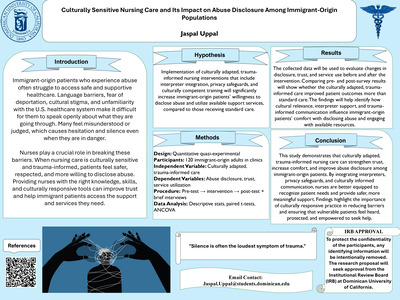
Culturally Sensitive Nursing Care and Its Impact on Abuse Disclosure Among Immigrant-Origin Populations
Jaspal Uppal
Background: Immigrant-origin patients often face many systemic barriers when accessing healthcare. Factors such as language barriers, fear of deportation, limited trust in healthcare providers, and lack of culturally sensitive care make it hard for patients to disclose abuse. These challenges contribute to poor health amongst vulnerable populations which highlights the importance of using culturally sensitive and trauma-informed care. Objective: This research aims to test whether culturally adapted, trauma-informed nursing care improves disclosure of abuse and access to support services. The objective is to strengthen safety and trust between healthcare providers and patients through culturally sensitive care. Method: A quantitative quasi-experimental design with a pre-post survey will be used to compare an intervention group receiving culturally sensitive, trauma-informed care with a control group receiving standardized care. The intervention includes interpreter-assisted communication, trauma-informed assessments, and private rooms for disclosure. Data will be collected using validated tools such as Abuse Assessment Screen, HITS, WAST, and Trust in Physician Scale. Data analysis will include demographics, pre-post survey responses, paired-sample t tests, and ANCOVA to assess the differences amongst the groups. Results: Findings show that culturally sensitive, trauma-informed care improves the rate of abuse disclosure, greater trust in healthcare providers, and increased use of support services compared to patients receiving standard care. Conclusion: Culturally sensitive, trauma-informed nursing care strengthens patient trust and improves disclosure among immigrant-origin populations. This study highlights the need for standard care to embed cultural relevance and trauma awareness to reach out to vulnerable populations.
-
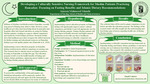
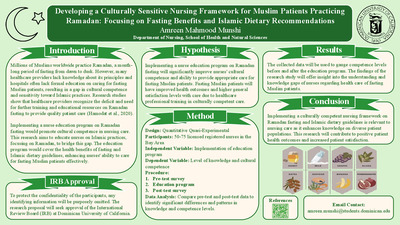
Developing a Culturally Sensitive Nursing Framework for Muslim Patients Practicing Ramadan: Focusing on Fasting Benefits and Islamic Dietary Recommendations
Amreen Mahmood Munshi
Background: Muslims practice Ramadan, a month-long period of fasting from dawn to dusk, yet many healthcare providers lack knowledge of its principles and practices. Hospitals lack formal education on caring for fasting Muslim patients, leading to a knowledge deficit in cultural competence and sensitivity of Islamic practices. Purpose: This paper proposes a research design for a nurse education program on Ramadan fasting to promote cultural competence and sensitivity in nursing care. The proposed research aims to educate nurses on Islamic practices, particularly Ramadan, to bridge the cultural competency gap. The literature review also explores the health benefits of fasting and Islamic dietary guidelines. Method: A quantitative quasi-experimental pre-test and post-test survey design will be used, with approximately 50-75 licensed registered nurses. Participants must be actively employed with a minimum of one year of work experience in various specialty areas related to direct and indirect patient care. They will be randomly selected from hospitals within a large healthcare network in the Bay Area. A confidential electronic survey will determine their demographics and understanding regarding Ramadan fasting and Islamic dietary guidelines using a Likert scale. Results: The collected data will be used to gauge competence levels before and after the education intervention. The findings of the research study will offer insight into the understanding and knowledge gaps of nurses regarding healthcare of fasting Muslim patients. Conclusion: Implementing a culturally competent nursing framework on Ramadan fasting and Islamic dietary guidelines is relevant to nursing care as it enhances knowledge on diverse patient populations. This research proposal will contribute to positive patient health outcomes and increased patient satisfaction.
-
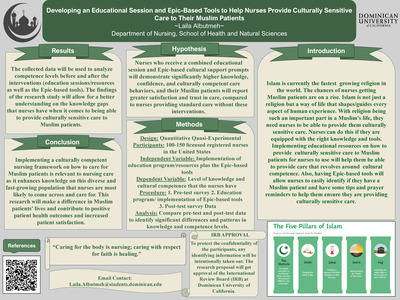
Developing an Educational Session and Epic-Based Tools to Help Nurses Provide Culturally Sensitive Care to Their Muslim Patients
Laila Albutmeh
Islam is currently the fastest growing religion in the world. The chances of nurses getting Muslim patients are on a rise. Islam is not just a religion but a way of life that shapes/guides every aspect of human experience. With religion being such an important part in a Muslim's life, they need nurses to be able to provide them culturally sensitive care. Nurses can do this if they are equipped with the right knowledge and tools. Implementing educational resources on how to provide culturally sensitive care to Muslim patients for nurses to use will help them be able to provide care that revolves around cultural competence. Also, having Epic-based tools will allow nurses to easily identify if they have a Muslim patient and have some tips and prayer reminders to help them ensure they are providing culturally sensitive care.
-
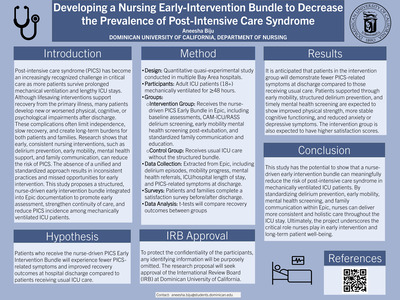
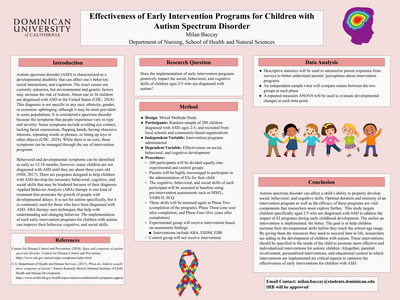
Developing a Nursing Early-Intervention Bundle to Decrease the Prevalence of Post-Intensive Care Syndrome
Aneesha Biju
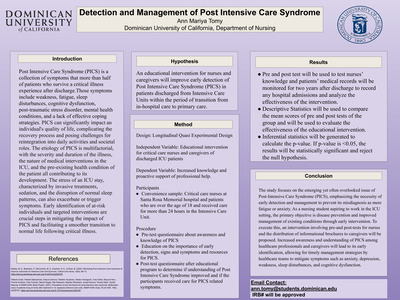
Post-intensive care syndrome (PICS) has become an increasingly recognized challenge in critical care as more patients survive prolonged mechanical ventilation and lengthy ICU stays. Although lifesaving interventions support recovery from the primary illness, many patients develop new or worsened physical, cognitive, or psychological impairments after discharge. These complications often limit independence, slow recovery, and create long-term burdens for both patients and families. Research shows that early, consistent nursing interventions, such as delirium prevention, early mobility, mental health support, and family communication, can reduce the risk of PICS. The absence of a unified and standardized approach results in inconsistent practices and missed opportunities for early intervention. This study proposes a structured, nurse-driven early intervention bundle integrated into Epic documentation to promote early assessment, strengthen continuity of care, and reduce PICS incidence among mechanically ventilated ICU patients.
-
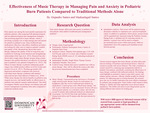
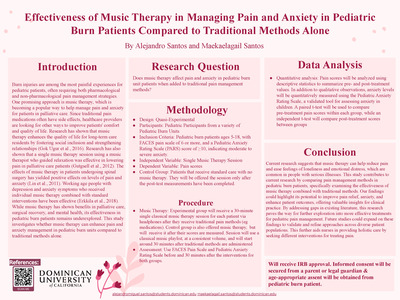
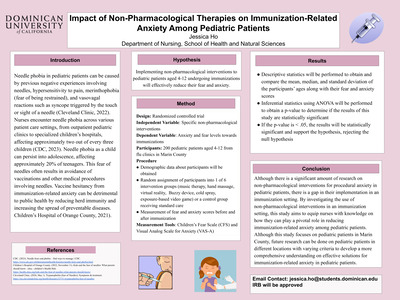
Effectiveness of Music Therapy in Managing Pain and Anxiety in Pediatric Burn Patients Compared to Traditional Methods Alone
Alejandro Miguel Santos and Maekalagail Santos
Introduction:
Burn injuries are among the most painful conditions for children. While pharmacological interventions are commonly used, non-pharmacological strategies like music therapy are gaining attention for their potential to improve patient outcomes. Previous research indicates that music therapy can reduce pain and anxiety in various settings, but its impact on pediatric burn patients remains underexplored.
Objective:
This study aims to explore the effectiveness of music therapy in managing pain and anxiety in pediatric burn patients, comparing it to traditional pain management methods alone.
Research Question:
Does music therapy affect pain and anxiety in pediatric burn unit patients when added to traditional pain management methods?
Methodology:
This quasi-experimental study will include around 100 Pediatric burn patients, ages 5-18, will be assigned to either a music therapy group or a control group receiving standard care. Participants in the music therapy group will receive a 30-minute classical music session after traditional pain management, and pain and anxiety levels will be assessed before and after the session. The control group receives standard care, but is offered music therapy after data is collected.
Data Analysis:
Data will be analyzed using quantitative measures (FACES Pain Scale, Pediatric Anxiety Rating Scale). Paired and independent t-tests will compare pre- and post-session pain scores and anxiety levels between the two groups.
Conclusion:
The study aims to contribute to the understanding of music therapy's role in pediatric burn care and potentially offer a more holistic approach to pain and anxiety management in this vulnerable population.
-
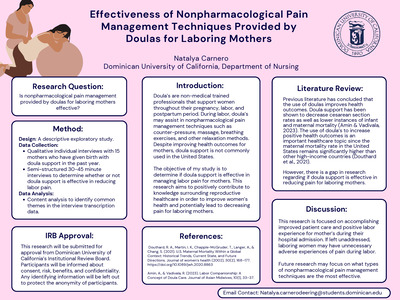
Effectiveness of Nonpharmacological Pain Management Techniques Provided by Doulas for Laboring Mothers
Natalya L. Carnero Deering
-
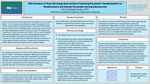
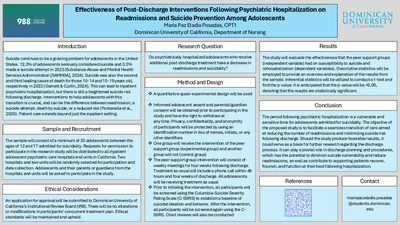
Effectiveness of Post-Discharge Interventions Following Psychiatric Hospitalization on Readmissions and Suicide Prevention Among Adolescents
Maria Paz Eladia Posadas
Background: Suicide is a pervasive and far-reaching issue. Psychiatric hospitalization is often used as an intervention for individuals, including adolescents, experiencing suicidal ideation and/or behavior. However, post-discharge care may lack structure or clearly defined follow-up services, which can result in rehospitalizations and increased suicidality. Objective: The goal of the proposed research study is to investigate how implementation of peer support groups for adolescents following psychiatric hospitalization can assist in reducing readmissions and mitigating suicide risk. This can also help shape strategies for managing care after discharge. Method: The proposed research study utilizes a quantitative quasi-experimental design to determine the efficacy of peer support groups in lowering hospital readmissions and suicide risk among adolescents. The study consists of a control group and an experimental group. Both groups will receive standard post-discharge care. Participants are evaluated using the Columbia-Suicide Severity Rating Scale (C-SSRS) pre- and post-intervention. Chart reviews are also performed. Results: The data required for this study are still to be collected, but the expected results are that the peer support groups will yield beneficial outcomes in the immediate post-discharge period following hospitalization. Descriptive and inferential statistics will be used to analyze the data and results. Conclusion: Adolescent readmissions and risk for suicide could potentially diminish through the application of peer support groups after discharge. Significant and positive findings suggest enhanced care transitions, better mental health outcomes, and improved quality of life. Understanding and awareness of effective treatments following psychiatric hospitalization can help guide post-discharge care and most importantly, save lives.
-
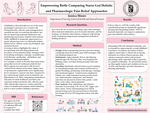
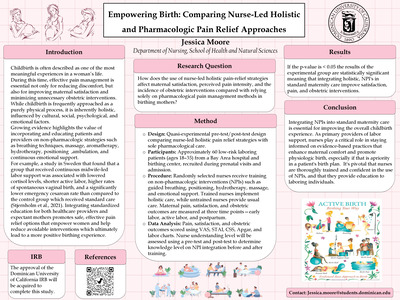
Empowering Birth: Comparing Nurse-Led Holistic and Pharmacologic Pain Relief Approaches
Jessica C. Moore
Childbirth is often described as one of the most meaningful experiences in a woman’s life. During this time, effective pain management is essential not only for reducing discomfort, but also for improving maternal satisfaction and minimizing unnecessary obstetric interventions. While childbirth is frequently approached as a purely physical process, it is inherently holistic, influenced by cultural, social, psychological, and emotional factors.
Growing evidence highlights the value of incorporating and educating patients and providers on non-pharmacologic strategies such as breathing techniques, massage, aromatherapy, hydrotherapy, positioning ,ambulation, and continuous emotional support.
For example, a study in Sweden that found that a group that received continuous midwife-led labor support was associated with lowered cortisol levels, shorter active labor, higher rates of spontaneous vaginal birth, and a significantly lower emergency cesarean rate than compared to the control group which received standard care(Stjernholm et al., 2021). Integrating standardized education for both healthcare providers and expectant mothers promotes safe, effective pain relief options that empower women and help reduce avoidable interventions which ultimately lead to a more positive birthing experience.
-
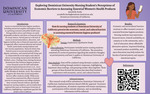
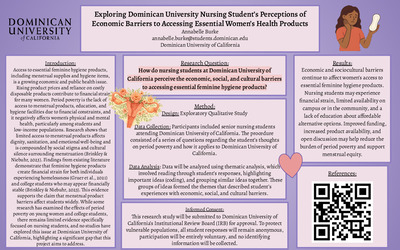
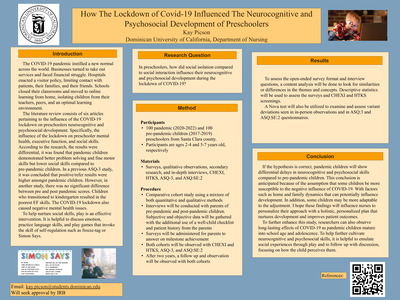
Exploring Dominican University Nursing Student’s Perceptions of Economic Barriers to Accessing Essential Women’s Health Products
Annabelle E. Burke
Access to essential feminine hygiene products, including menstrual supplies and hygiene items, is a growing economic and public health issue. Rising product prices and reliance on costly disposable products contribute to financial strain for many women. Period poverty is the lack of access to menstrual products, education, and hygiene facilities due to financial constraints, and it negatively affects women’s physical and mental health, particularly among students and low-income populations. Research shows that limited access to menstrual products affects dignity, sanitation, and emotional well-being and is compounded by social stigma and cultural silence surrounding menstruation (Brinkley & Niebuhr, 2023). Findings from existing literature demonstrate that feminine hygiene products create financial strain for both individuals' experiencing homelessness (Gruer et al., 2021) and college students who may appear financially stable (Brinkley & Niebuhr, 2023). This evidence supports the claim that menstrual product barriers affect students widely. While some research has examined the effects of period poverty on young women and college students, there remains limited evidence specifically focused on nursing students, and no studies have explored this issue at Dominican University of California, highlighting a significant gap that this project aims to address.
-
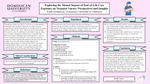
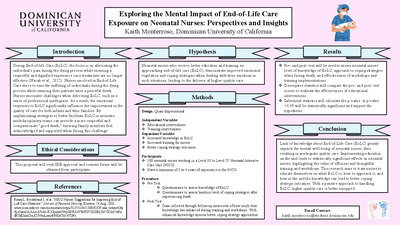
Exploring the Mental Impact of End-of-Life Care Exposure on Neonatal Nurses: Perspectives and Insights
Kaith Monterroso
Purpose: This research investigates education interventions aimed to improve neonatal nurses’ knowledge in End-of-Life Care (EoLC), with a goal in improving their mental health using coping strategies. This study seeks to, in the end, deliver effective sensitive and comprehensive care during EoLC. Improved education in this area is expected to enhance higher quality of care while fostering better mental health outcomes for nurses themselves. Methods: The proposed research utilizes a pre- and post-test design to evaluate the effectiveness of education and training in nurses who have a minimum of 3 to 4 years of experience in the Neonatal Intensive Care Unit (NICU). Training workshops will be completed every two months within the unit, or as needed, focusing on 100 neonatal nurses, men and women, who are working in a Level III to Level IV. The focus is on high-acuity NICUs that are greatly impacted by communities of low-socio economics within California. Data: Anticipated results of performed Quasi-Experimental Design, include pre- and post-tests that are expected to demonstrate statistical improvements in educational interventions, aimed at enhancing nurses’ knowledge. The expectation of training and workshops interventions reduces shortage of education. A p-value < 0.05 will show a significant positive post-test, to highlight nurses’ effective understanding because of interventions. Conclusions: Lack of knowledge about EoLC greatly impacts the mental well-being of neonatal nurses, thus resulting in inadequate quality care. Implementing education within the unit leads to statistically significant effects on neonatal nurses, highlighting the value of efficient and thoughtful training and workshops.
-
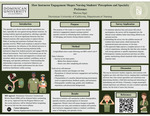
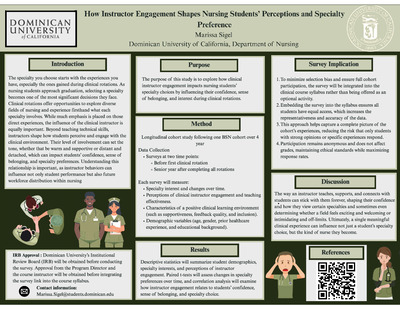
How Instructor Engagement Shapes Nursing Students’ Perceptions and Specialty Preference
Marissa M. Sigel
Background: As nursing students approach graduation, choosing a specialty becomes a key decision. Although clinical rotations offer exposure to different practice areas, the role of the clinical instructor is equally influential. Instructor engagement extends beyond teaching skills and may shape how students perceive clinical environments. Objective: This study examines how clinical instructor engagement influences senior nursing students’ specialty preferences. Method: A longitudinal cohort design will be used with pre-licensure BSN students at a small private university in Northern California. Students will complete the same survey twice during their program, and paired t-tests will be used to assess changes in specialty interest after the final senior-year clinical rotation. Results: Data collection has not yet begun. Anticipated findings may clarify whether higher instructor engagement correlates with shifts in specialty interest, suggesting the importance of engagement-related teaching behaviors such as fostering belonging, inclusion, and respect. Conclusion: This study seeks to enhance understanding of how clinical instructor engagement shapes specialty choice and influences the clinical learning environment in nursing education.
-
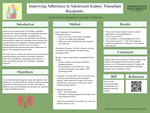
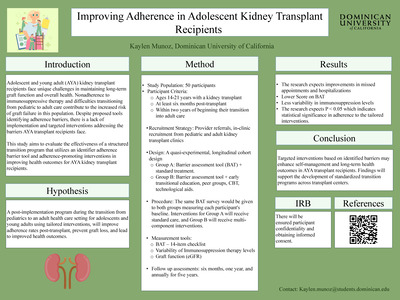
Improving Adherence in Adolescent Kidney Transplant Recipients
Kaylen Munoz
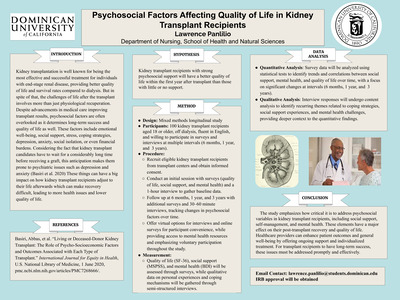
Background: Adolescent and young adult (AYA) kidney transplant recipients face unique challenges in maintaining long-term graft function and overall health. Nonadherence to immunosuppressive therapy and difficulties transitioning from pediatric to adult care contribute to the increased risk of graft failure in this population. Despite proposed tools identifying adherence barriers, there is a lack of implementation and targeted interventions addressing the barriers AYA transplant recipients face. Purpose: This study aims to evaluate the effectiveness of a structured transition program that utilizes an adherence barrier tool and adherence-promoting interventions in improving health outcomes for adolescent and young adult (AYA) kidney transplant recipients. Method: A quasi-experimental, longitudinal cohort study will assess the impact of multifaceted interventions, including education, peer support, and transition planning. Outcome measures will include medication adherence rates, healthcare utilization, and graft survival rates over a five-year period. Data analysis will involve statistical comparisons of baseline and post-intervention adherence, with inferential statistics used to determine significance. Results: It is anticipated that identifying barriers in a structured transitional support program with adherence interventions will lead to improved self-management, increased adherence, sustained function, and better long-term outcomes.
Conclusion: AYA kidney transplant recipients require targeted support and interventions to navigate the challenges of post-transplant care and the transition into adult healthcare settings. There is a need for a standardized transitional program.
-
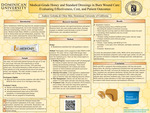
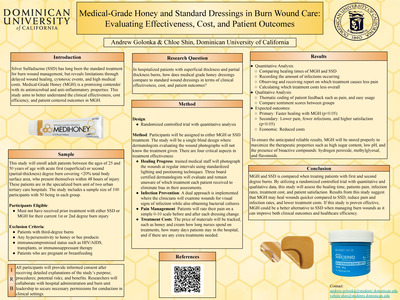
Medical-Grade Honey and Standard Dressings in Burn Wound Care: Evaluating Effectiveness, Cost, and Patient Outcomes
Chloe Shin and Andrew Golonka
Background: Burn injuries burden the healthcare system globally as silver sulfadiazine (SSD) is the standard treatment even though it delays healing and is highly costly. Medical-grade honey (MGH) demonstrates superior antimicrobial and anti-inflammatory properties, however, there are still evidence gaps when comparing effectiveness, cost efficiency, and patient centered outcomes. Purpose: This study aims to compare MGH and SSD amongst these gaps to inform evidence based burn care. Methods: A randomized controlled trial will enroll 100 people between 25-50 years of age with first and second degree burns, < 20% total body surface area within two hospital burn units. Participants will be assigned to either MGH or SSD treatment. The study will be a single blind design where dermatologists evaluating the wound photographs will not know the treatment given. Primary outcomes include wound healing time, infection rates, and patient reported pain scores. Secondary outcomes will focus on cost effectiveness analyses and patient quality of life. Standardized protocols will be implemented for data collection, wound assessment, and safety monitoring. Results: We anticipate that MGH will have lower infection rates, promote faster wound healing, improved outcomes from patient reports, and better cost effectiveness through shorter hospital stays and reduced medical treatments compared to SSD. Conclusion: This study will provide evidence comparing MGH and SSD across economic, clinical, and patient centered outcomes. If our hypothesis aligns with the results, MGH could be a new evidence based standard in burn care as it offers many advantages over SSD in patient comfort, healing efficiency, and medical costs. The findings will provide areas for future research, especially long term outcome and a bigger patient population.
A collection of research posters authored by students from the Department of Nursing at Dominican University of California.
Printing is not supported at the primary Gallery Thumbnail page. Please first navigate to a specific Image before printing.