-
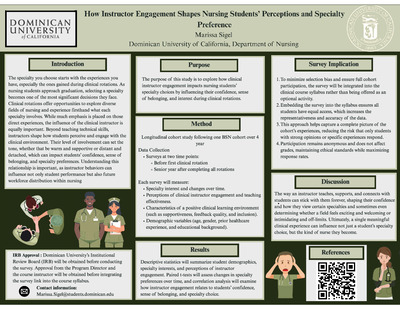
Addiction Behind the American Dream: A Case for Harm Reduction among Upper and Middle Class
Sean Marc Sanga
The purpose of this study is to help bring awareness to the significant lack of information revolving around the idea of harm reduction interventions. This study will mainly focus on the upper and middle class, therefore, the end goal is to gain insight on what exactly deters or dissuades this specific population from gaining care. In addition, I hope it will provide some solutions to the growing drug problem among Middle America.
-
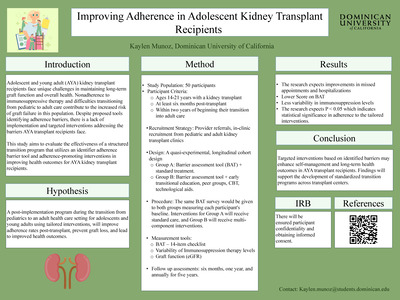
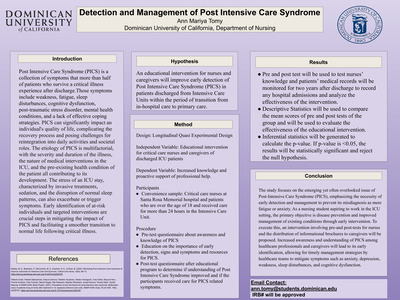
A Pulse for Progress – Examining the Efficacy of Best Nursing Developmental Care Practices for Children with Congenital Heart Disease at Risk for Developmental Delay in the PCICU: A Prospective Quasi-Experimental Cohort Study
Jasmyn H. Jansen
This paper examines the efficacy current best developmental care nursing practices in the pediatric cardiac intensive care unit (PCICU) for children with congenital heart disease (CHD). The proposed study explores the implications of the Cardiac Inpatient Neurodevelopmental Care Optimization (CINCO) program, a recent comprehensive developmental care bundle, as a universal implementation for PCICUs.
-
Babies Behind Bars: Separation and Segregation of Incarcerated Mothers from their Children
Cielita Castro Capistrano
Over the past years, the imprisonment rate for women in the United States has been substantially increasing, resulting in continuous higher incarceration rates of women in prison. The United States “has the highest incarceration rate of women in the world, with over 205,000 women currently behind bars in either state and federal prisons or jails and another million on probation or parole” (Clarke et. al., 2013). Furthermore, the prisons and jails here in America are primarily focusing on the incarcerated male population leading to these institutions not prioritizing the proper health and safety protocols for these incarcerated women, who are mostly mothers. Incarcerated mothers are a vulnerable group of people in this society that often comes with a long history and experience of mental health problems, unemployment, poverty, sexual, emotional, physical, and mental abuse. This paper is conducted using a systematic search of different electronic databases and search engines that provided enough information to answer the research question for this literature review.
The purpose of this thesis is to explore and inform people regarding how important resources are for the future of the entire community as a whole. The gathered information in this thesis will be utilized to compose a proposal on how the entire society as a whole can work together with focusing on helping these people in achieving a second chance to have a better life. Focusing on these vulnerable populations will lessen the gaps that the society have been trying to fill that they cannot successfully fulfill since they need to start focusing on the cause of the problem, rather than interventions after a problem has already been created. The study design that this study will conduct will be a qualitative survey study that will be conducted using an existing thematic analysis to see if there will be a major impact on giving incarcerated mothers prolonged time with their newborn baby during their sentence.
-
Benefits of Rooming-in on Infants with Neonatal Opioid Withdrawal Syndrome
Emma Ricioli
Neonatal opioid withdrawal syndrome (NOWS) is a significant public health concern, affecting infants born to mothers who use opioids during pregnancy. Those exposed in-utero exhibit numerous signs of withdrawal after delivery including tremors, gastrointestinal distress, inconsolability, and poor feeding. Typical treatment for infants suffering from NOWS included direct admission to the neonatal intensive care unit (NICU) for close observation and pharmacological interventions. However, NICU stays can interfere with bonding and breastfeeding. They can also lead to increased lengths of stay, higher costs, and more invasive pharmacological treatments. These infants typically do not have any other concerning health issues besides NOWS and therefore should not be immediately transferred to the NICU. Rather, they should be able to room-in with their parents. Rooming-in is associated with improved neonatal outcomes, shorter length of stay, and a decrease in cost. The literature review identified limited data regarding the effectiveness of non-separation techniques when implemented in small hospitals with fewer resources. A research proposal will be discussed as well that focuses on implementing rooming-in techniques in rural hospitals located in Northern California. Infants with NOWS born at these hospitals between August 2023-December 2024 will be admitted directly to the NICU. Infants born between January 2025-May 2026 will room-in with their parents. The will be a quantitative study that utilizes a retrospective cohort design. Descriptive statistics will be used to determine if implementing non-separation techniques improves outcomes for infants suffering from neonatal opioid withdrawal syndrome.
-
Caffeine Usage and Effects on Quality of Life, Clinical Performance, and Safety Among Nurses
Alexander Carl Yanga
Background: The purpose of this investigation is to examine the effects of caffeine consumption on the nurse’s quality of life. It also will explore the relationship between caffeine consumption, nurses' clinical performance, and patient safety. Nurses often endure long hours with demanding tasks to ensure client health and safety. Long work shifts and low margins for error can be taxing, which could result in fatigue, poorer sleep, and increased risk for mistakes. Caffeine is an accepted and effective option for combating fatigue and boosting alertness short term. Questions arise about whether caffeine is beneficial or if consumption causes a decrease in the nurse’s clinical performance and safety over time.
Literature Review: A literature review was conducted to explore relationships between caffeine consumption, sleep, alertness, and education about caffeine usage. Primary articles, related to caffeine, nursing, sleep, fatigue, and alertness, were found using university databases. Overall patterns were found, including: a need for further education on high-energy drink usage; higher perceived stress and sleep disturbances with caffeine usage; and lower alertness levels with changes in sleep quality.
Proposed Study: The proposed study is a quantitative, comparative approach that will use an online self-reported survey to collect data. The targeted population includes working registered nurses. The sample involves 100 critical care nurses within Northern California’s Bay Area hospitals. There will be questions, using a numeric scale, about their background, demographics, caffeine consumption habits, sleep habits, perception of clinical performance, perception of work fatigue and stress, and perception of clinical safety. Descriptive and comparative statistics will be used to examine connections between caffeine consumption and perceptions of sleep, stress, fatigue, clinical performance, and patient safety.
Clinical Significance: Results of this investigation may have potential for increasing knowledge about relationships between nurses' quality of life, caffeine use, clinical performance and patient safety.
-
Cervical Cancer Prevention in the Philippines
Kate Isabel Juanillo
Although cervical cancer is preventable, it continues to pose a significant health concern in the Philippines as evidenced by high cervical cancer diagnosis rates. The purpose of this quantitative study is to investigate low cervical cancer screening rates and the effectiveness of educational interventions in increasing awareness and screening rates. A literature review will examine topics such as low cervical cancer screening rates, cervical cancer screening methods, and barriers. This research proposal involves a quasi-experimental study that investigates education as an intervention for increasing cervical cancer awareness and cervical cancer screening rates. Fifty Filipino women will be randomly assigned to an experimental group or a control group. Inferential and descriptive statistics will be used to evaluate the outcomes of the study.
-
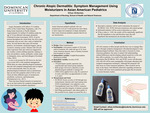
Chronic Atopic Dermatitis: Symptom Management Using Moisturizers Among Asian American Pediatrics
Ethan J. Brillantes
Background: Atopic Dermatitis (AD), also commonly known as eczema, affects 31.6 million (10%) of the United States Population, with 13% being Asian American or Pacific Islander. A cure is not present for AD; however, the best way to treat AD is with symptom management. While there are many pharmacological treatments that aid with symptom management such as topical or oral corticosteroids, there are also non pharmacological treatments such as moisturizers that can aid with symptom relief of AD as well. Objective: The literature review explores moisturizer use and other non pharmacological methods for symptom management of AD and provides understanding of topical corticosteroids perceptions among the public. This research proposal will investigate whether or not moisturizers provide symptom relief among Asian American pediatric children that have atopic dermatitis. Method: A quantitative, quasi-experimental study over an 8 week period will be used with a sample size of 150 participants. Once the 150 participants are selected, they will be randomly placed in either the control or experimental group. The moisturizer that will be used is Cetaphil Restoraderm Moisturizer (CRM). Both groups will receive education on non pharmacological methods to help manage AD; however, the control group will not receive the moisturizer intervention. The severity of atopic dermatitis will be measured by SCORAD, VAS itch scores, TEWL, and a questionnaire that asks about quality of life before and after the intervention. As a result of the study, there is an expectation that SCORAD, VAS, and TEWL scores will decrease.
-
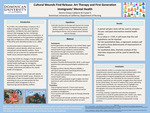
Cultural Wounds Find Release: Art Therapy and First Generation Immigrants’ Mental Health
Crystal Soojung Yi and Dennis Chavez Calderon
-
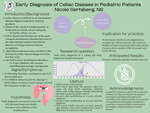
Early Diagnosis of Celiac Disease in Pediatric Patients
Nicole Gertsberg
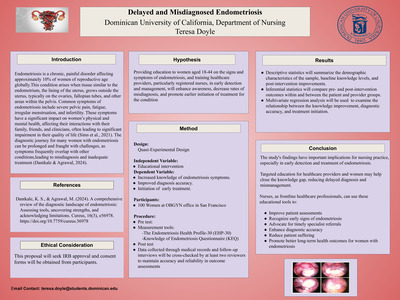
Celiac disease affects about 1% of the population; however, the indistinct symptoms make it difficult to diagnose. Children are vulnerable populations who are able to experience this disease, but go severely undiagnosed. As a result, when this population matures, additional health issues arise such as other autoimmune diseases. Different studies were done regarding diet modifications, gaps in research, and treatment options for Celiac disease. This is the reason to investigate whether early diagnosis in childhood will achieve better health outcomes through diet modifications. A cohort study will be performed on Celiac disease patients, ages 5 to 15 years old at outpatient clinics at UCSF. This study will compare two groups: diet modifications starting at 5 years old to diagnose Celiac disease and diet modifications at 15 years old to diagnose Celiac disease. The groups will be examined for health outcomes related to Celiac disease 10 years from the start of the study to see if earlier diagnosis made a significant difference. The data will be collected through patient reports of symptoms and medical office visits. The results, 10 years from now, should show no extra health issues. In conclusion, the clinical implications of this study should show that early diagnosis in pediatric patients correlates with the decreased number of medical problems as they grow up. Due to this research, more extensive medical doctor visits can determine Celiac disease much earlier as a prevention method to Irritable bowel syndrome symptoms.
-
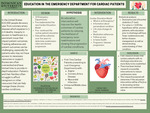
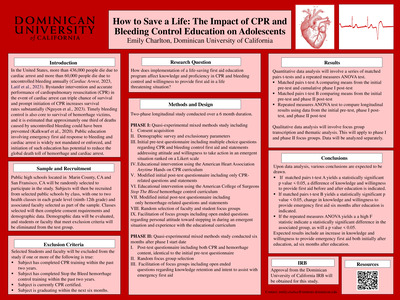
Education in the Emergency Department for Cardiac Conditions
Shelby Thomason
In the United States 610,000 people die every year from coronary artery disease which equates to 1 in 4 deaths. Inequity in access to healthcare is a persistent issue that impact patient outcomes. Tracking adherence and patient outcomes can be challenging, especially for patients who may not have access to necessary resources or support. Nurses are often overworked and have limited time to provide in-depth education. Patients and their families often struggle to afford caregivers or other resources that can help manage these chronic cardiac conditions.
-
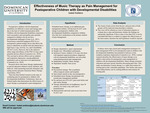
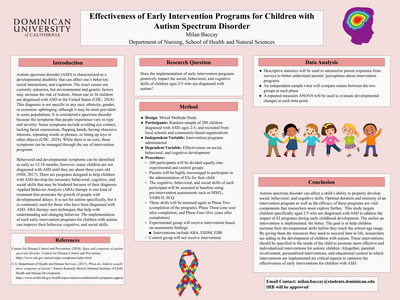
Effectiveness of Music Therapy in Postoperative Children with Developmental Disabilities
Isabel Arellano
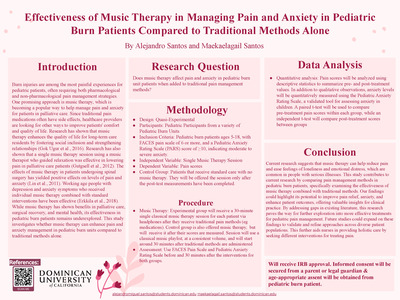
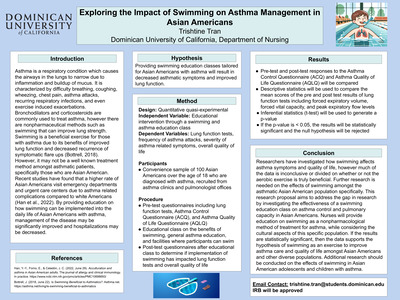
Administration of opioids is the preferred practice to treat postoperative pain in a hospital setting. However, there are disadvantages to this method (Benyamin et al., 2008). Postoperative children with developmental disabilities are difficult to assess and manage pain. A patient analgesic pump (PCA) pump administers low dose opioid to the patient during pain episodes. However, many children with developmental disabilities are unable to adequately verbalize their pain and/or understand the purpose of a PCA. To help with this problem they are given a parent/nurse controlled analgesia (PNCA) pump (Czarnecki et al., 2018). However, due to the unknown safety range and efficacy of the PNCA it may cause potential adverse effects. The purpose of this research proposal is to explore if music therapy can be used as an additive pain management treatment for postoperative pain in children with developmental disabilities. This proposal will consist of a quasi-experimental design with two convenient sample groups (experimental and control). Both groups will be given a pre and post test to measure their Faces, Legs, Activity, Cry, and Consolability (FLACC) scores. The experimental group will receive the therapy intervention. Descriptive statistics will be used to compare the means of the two samples from the pre- and post-tests. Inferential statistics will be used to determine the p-value and if the results are statistically significant. If p-value is less than 0.05 then I can reject the null hypothesis, proving music therapy decreases postoperative pain levels in children with disabilities.
-
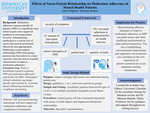
Effects of Nurse-Patient Relationship on Medication Adherence of Mental Health Patients
April Monica Magbual
Medication adherence among mentally ill patients (MIP) is a significant issue in healthcare which require extra support & guidance to encourage better recovery. Administering medication is a critical role of nurses that must be performed effectively and appropriately. Employing a nurse-patient relationship (NPR) and nursing presence has been shown to create a positive outcome and an essential characteristic to improve medication adherence. However, there is insufficient research exploring NPR and medication adherence specifically for MIPs. Participants’ cultural variations, age range, specific interventions & economic factors influencing medication compliance are missing.
-
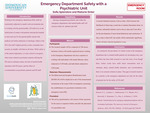
Emergency Department Safety with Psychiatric Unit
Mallorie Stiner and Sofia Splendore
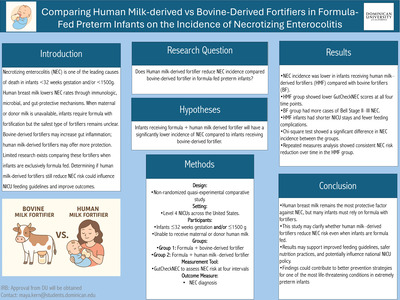
Background: Safety in the emergency department is of the highest priority with patient care for ED staff and psychiatric patients. Psychiatric patients are unpredictable and can have violent outbursts, especially in a mental health episode or under the influence of drugs and or alcohol. Research on psychiatric units in the emergency department has primarily focused on minimizing patient wait times, however, there is a lack of research on patient and staff safety. Objective: This thesis investigates the impact of incorporating a psychiatric unit staffed by mental health professionals and patient safety within the emergency department. Methods: This thesis will include a literature review with peer-reviewed journals and primary evidence associated with the violence ED staff endure with psychiatric patients, how mental health patients get easily overstimulated in the ED, and the education level of ED staff about psychiatric conditions. The results of this study will be reviewed before and after a psychiatric unit is placed within the ED and analyzed with inferential and descriptive statistics. This study will measure the number of violent events before and after a psychiatric unit is placed to determine the effectiveness of safety for ED staff and patients.
-
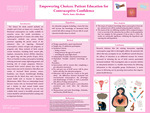
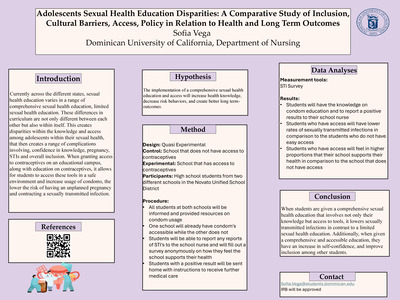
Empowering Choices: Patient Education for Contraceptive Confidence
Maria Anns Abraham
The complexity of birth control options significantly impacts women's lives, with hormonal contraceptives being commonly used but often misunderstood. These contraceptives, which contain estrogen and progestin or progestin only, come in various forms such as pills, implants, IUDs, injections, the vaginal ring, and skin patches, offering benefits such as reduced menstrual cramps and ectopic pregnancy risk. However, they can also lead to adverse effects including increased blood pressure, nausea, headaches, breakthrough bleeding, and heightened risk of blood clots, with research indicating a potential link between their use and a decline in mental health. Given the prevalence of depression, particularly in women, compounded by hormonal factors, it is crucial for healthcare providers, nurses, and educators to offer comprehensive education about the various birth control options and their potential effects on mental health. This research aims to investigate whether educating adolescent women about hormonal contraception could impact the knowledge of women using it and how it connects to addressing gaps contributing to poor mental health. An appointed nurse will provide a pre-education assessment, followed by education to adolescent women about hormonal birth control and its side effects, and will also administer a post-education assessment. The means of the two differing variables will be compared using a t-test to ascertain if the education has an effect on the population that was sampled.
-
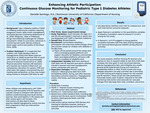
Enhancing Athletic Participation: Continuous Glucose Monitoring for Pediatric Type 1 Diabetes Athletes
Danielle Santiago
Background: Type 1 diabetes mellitus (T1DM) is a lifelong autoimmune condition requiring exogenous insulin, daily insulin management, and blood glucose monitoring (Kahanovitz et al., 2018). Diagnosis, often in childhood, brings overwhelming challenges for children and parents. While no cure exists, advances in monitoring and insulin delivery enhance blood sugar control and quality of life (Mayo Clinic, 2023)
Problem Statement: It is suspected that children with T1DM develop a fear of hypoglycemia (FOH) that deters exercise. Cockroft et al. (2023) found that 70% of youth with T1DM do not meet the recommended amount of exercise (Cockcroft et al., 2023). Physical education teachers (PE teachers) and coaches are trained in RICE (rest, ice, compression, elevation) for sprains, CPR and other basic life support, and preventing and treating heat exhaustion, so they may accept being trained to interpret CGM data as well.
-
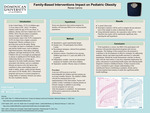
Family-Based Interventions Impact on Pediatric Obesity
Renee Camins
Background: Obesity rates among children in the United States have been on the rise, with 19.7% of children aged 2-19 classified as obese (CDC, 2022). Low socioeconomic status is a risk factor for pediatric obesity,Children from low-income households are more likely to be overweight or obese than their peers from higher economic backgrounds. Obesity can lead to serious and chronic health problems such as diabetes, high blood pressure, and breathing difficulties, and is also a risk factor for leading causes of death in adults including stroke, cardiovascular disease, and cancer (CDC, 2022). Educational interventions and access to exercise resources may offer promising solutions for addressing pediatric obesity and improving health outcomes. Objective: The object of the proposal is to conduct research on obesity trends and educational interventions to combat obesity. The research proposal will then investigate the effectiveness of a specific evidence-based educational intervention and resources provided to families in reducing obesity rates. The proposal intends to determine whether these interventions and resources can contribute to a decline in obesity rates. Method: The proposal will consist of a quasi experimental design. The convenience sample will consist of low-income families with children 4-11 years of age that have a BMI greater than 30. Sample size will include 150 children recruited through pediatric doctors offices in Marin County. The participants will be given a pre test questionnaire, and a post test after the intervention.
-
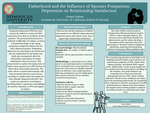
Fatherhood and the Influence of Spouses Postpartum Depression on Relationship Satisfaction
Emma Salinas
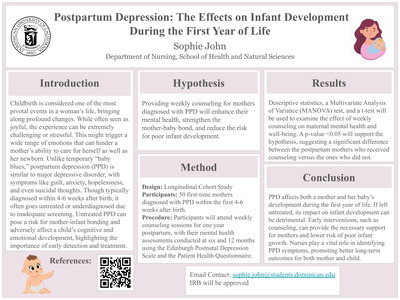
Postpartum depression and the effects it has on women have long been well studied and documented, however, little research has been done on how this illness affects these women’s partners. Considering the significant amount of research conducted on postpartum depression (PPD) from the perspective of women and the increasing trend towards family-oriented approaches, it is vital to further undertake studies concentrating on the male perspective of coping with a partner who has PPD. This in turn opens a new and important area of research for the clinical psychology community. This research proposal aims to focus on fathers’ coping styles when living with a partner suffering from postpartum depression as well as how it may influence/alter relationship satisfaction. This research proposal would include a mixed-method research design using both semi-structured, face-to-face interviews conducted individually and surveys. The sample size would include 20 couples, 10 fathers, and 10 mothers currently experiencing postpartum depression. Couples would be voluntarily recruited through a flier at their pediatricians’ offices. Inclusion criteria would include all participants being over the age of 18, having a partner with clinically diagnosed postpartum depression, living together with said partner, and being at least 2 months postpartum. The results from this study have not yet been collected but are presumed to reveal multiple themes describing the fathers’ journey through their partners’ postpartum depression. These findings would not only highlight a need for pre-emptive education on maternal PPD and more accessible resources but also assessing fathers’ emotional responses to parenthood and their partners’ depression.
A collection of research posters authored by students from the Department of Nursing at Dominican University of California.
Printing is not supported at the primary Gallery Thumbnail page. Please first navigate to a specific Image before printing.